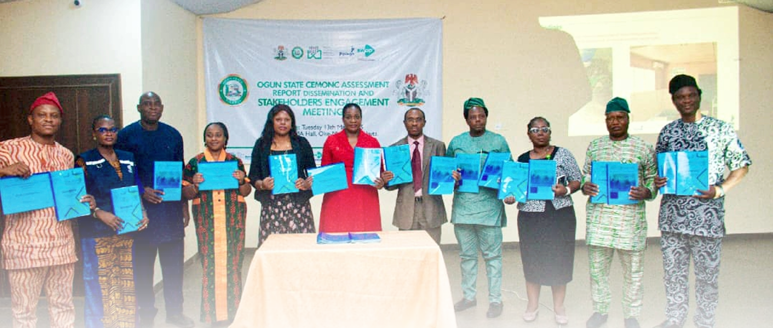
CEMONC: OGSG takes Bold Steps to Crash Maternal, New Born Death Rate
Partners: WHO, UNICEF, JHPIEGO
In its continued effort and commitment to enhancing healthcare access, particularly for mothers and newborns, and to crash the maternal and newborn death rate, the Ogun State Government, in collaboration with the World Health Organization (WHO), the United Nations Children's Fund (UNICEF), the Johns Hopkins Programme for International Education in Gynecology and Obstetrics (JHPIEGO), and other development partners, has emphasized its readiness to implement evidence-based policies that will prioritize the health and well-being of the people of the State.
Commissioner for Health, Dr. Tomi Coker, made this known while speaking during a One Day Comprehensive Emergency Obstetrics and Newborn Care (CEmONC) Assessment Dissemination Agenda at the Governor's Office, Oke-Mosan, Abeokuta.
Dr. Coker said the program was commissioned by the coordinating Minister, Dr. Ali Pate, for every state to give room for interventions in secondary facilities where it was needed, especially in Obstetrics and Neo- Natal units under the Sector Wide Approach Programme (SWAP).
"Well-trained, selected medical record officers have gone round all the 20 local government areas and have assessed at least one general hospital to determine the State of their Obstetrics and NeoNatal care, looking into infrastructure, equipment, and health workers' status, and the reports of this assessment would be the baseline we are building upon to ensure Ogun State is well positioned to deliver quality healthcare services to mothers and their babies," she added.
In their contributions, Permanent Secretary, Hospitals Management Board, Dr. Olayinka Elemide and her counterpart from the Ministry of Health, Dr. Kayode Oladehinde noted that the CEmONC initiative would empower the secondary health facilities in the State to give adequate health care to mothers and their newborns, and this would help reduce the mortality rate to the barest minimum.
In their separate goodwill messages, representatives of WHO, Dr. Akinolu Fatiregun; UNICEF, Pharmacist Florence Molokwu; as well as that of JHPIEGO, Dr. Elizabeth Chukwu, remarked on the potential impact of the assessment findings, which aim to identify gaps in existing health services and propose actionable solutions, adding that investing in quality maternal and neonatal health services does not only save lives but also contributes to the broader developmental goals of the society.
Contributing, the CEmONC focal person, Dr. Ismaila Afolabi, explained that the reason behind the SWAP project was to bring all key stakeholders in the health sector, including partners, together to tackle issues bothering the health sector in order to improve health indices.